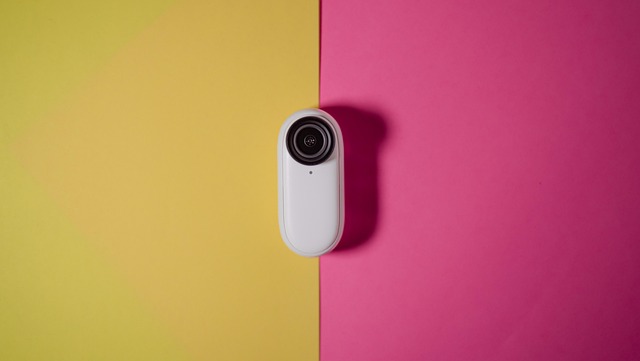
Video quality enhancement requires a holistic approach combining gear knowledge, video fundamentals, and post-production techniques. Key elements include:
– Equipment: High-quality cameras, lenses, microphones, and lighting setup.
– Video Literacy: Mastering exposure, white balance, framing for optimal light, color, composition.
– Format & Editing: Choosing MP4 format, stable supports, minimizing camera movement, clean audio mixing.
– Optimization: Sampling Rate (48 kHz or 96 kHz), Bit Depth (24-bit), Audio Output Level, Noise Reduction Filters.
– Lighting: Natural light ideal; artificial lighting with three-point technique for enhanced accessibility.
– Post-Production: Professional audio editing, color adjustments to WCAG guidelines, mindful use of background music for engaging, accessible e-learning videos.
In today’s digital age, the quality of our video content plays a pivotal role in captivating audiences and conveying messages effectively. However, achieving exceptional audio-visual standards can be a complex task, often requiring specialized knowledge and tools. This article provides an authoritative guide to enhancing video and audio quality effortlessly, empowering both professionals and enthusiasts to produce compelling visual narratives. We’ll explore accessible techniques and cutting-edge strategies, ensuring you extract the best from your footage, whether for streaming, online sharing, or professional production.
- Understand Your Equipment: Basics for Quality Video
- Optimize Settings: Fine-Tuning for Crystal Clear Audio
- Lighting and Positioning: Capturing Vivid Visuals
- Post-Production Techniques: Polishing Your Final Video
Understand Your Equipment: Basics for Quality Video

Enhancing video audio quality requires a deep understanding of your equipment and foundational knowledge of video production. Let’s break down the basics for achieving top-tier results.
Your camera, lens, microphone, and lighting setup are the cornerstones of your video. Familiarize yourself with each component and its impact on final output. High-quality cameras capture more detail, allowing for greater flexibility during editing. Choose lenses suited to your shooting style; wide-angle lenses offer panoramic views while telephoto lenses compress backgrounds for beautiful portraits. A good microphone is essential for clear audio, capturing every nuance of your narration or conversation.
Advancing video literacy skills involves grasping the fundamentals of exposure, white balance, and framing. Exposure controls determine how much light reaches the sensor, impacting image brightness. White balance ensures accurate color representation by adjusting for ambient lighting conditions. Framing, the art of composing shots, guides viewers’ attention and evokes specific emotions.
Understanding video formats and standards is crucial for optimal playback across different devices. For instance, MP4 is a versatile format supported by most platforms. Mastering basic video production equipment guide principles empowers you to make informed choices, ensuring your creative vision translates seamlessly into high-quality videos. Best practices for video editing, such as using stable supports, minimizing camera movement, and practicing clean audio mixing, further elevate your work.
By combining knowledge of your gear with a keen eye for composition and sound, you’ll be well on your way to producing engaging, visually stunning videos. Remember, continuous learning is key; explore online resources, join video editing communities, and experiment with new techniques to refine your skills. Find us at [Brand Name] for in-depth comparisons of video formats and standards, empowering you to make informed decisions for every project.
Optimize Settings: Fine-Tuning for Crystal Clear Audio

Optimizing video audio settings is a powerful way to enhance the overall quality of your content, whether you’re creating video-assisted language learning resources, incorporating videos in research projects, or producing engaging video tutorials for new skills. This fine-tuning process involves careful consideration of various parameters that contribute to crystal clear audio, ensuring every word and effect is audibly distinct.
For instance, adjusting the sampling rate can significantly impact audio quality. A higher sampling rate captures more data per second, resulting in a truer representation of sound. For professional-grade video production, consider targeting 48 kHz or 96 kHz rates for optimal accuracy. This is particularly relevant when using video project management strategies to ensure your audio aligns seamlessly with the visual elements. Additionally, adjusting the bit depth from 16-bit to 24-bit offers a wider dynamic range, allowing for richer and more detailed sound reproduction.
Another critical setting to optimize is the audio output level. Balancing the volume ensures that no segment is drowned out or overshadowed by background noise. This becomes especially important when including voiceovers in your videos, ensuring every word is clearly audible without overwhelming other audio tracks. Furthermore, enabling noise reduction filters can dramatically minimize unwanted sounds, enhancing the clarity of speech—a benefit not just for video-assisted learning but also for those producing educational content and tutorials. By fine-tuning these settings, you can elevate the overall quality of your videos, making them more accessible and engaging for your audience.
Lighting and Positioning: Capturing Vivid Visuals

Lighting and positioning play a pivotal role in enhancing video audio quality, especially when capturing vivid visuals for online platforms. In today’s digital era, where learning through online videos and video-based assessments and evaluations are increasingly common, ensuring optimal visual clarity is crucial. Proper lighting can significantly impact the overall aesthetics and accessibility of your video content. For instance, natural light is often the best choice for video shoots; it provides a soft, even glow that flatters subjects and creates visually appealing scenes. Positioning lights strategically—whether it’s using window light or setting up artificial lighting equipment—can help minimize shadows and highlights, making your video more accessible to a broader audience, including those with visual impairments.
Consider the three-point lighting setup as a foundational technique: key light for primary illumination, fill light to soften shadows, and backlight to create depth. This method is widely used by professionals in film and television production, and it can be easily adapted for online video creation. By paying attention to these details, you’re not just making your videos look better; you’re also improving their functionality. For example, a study by the University of Michigan found that students who watched educational videos with good lighting and audio understood concepts better than those with subpar quality. This underscores the importance of investing time in proper lighting and positioning for video content aimed at learning and evaluation purposes.
Furthermore, when optimizing your setup, think about the backdrop. A plain, neutral background simplifies post-production and ensures that the focus remains on your subject. Positioning your subject away from direct light sources can help avoid harsh shadows, ensuring consistent illumination across their face or object of interest. As you experiment with different lighting angles and setups, monitor the video feed to ensure accurate color representation. This is especially important for maintaining brand consistency and aesthetic appeal when sharing content online. Remember that enhancing video audio quality isn’t an isolated task; it’s an integrated process that involves considering every element from lighting and positioning to audio-visual synchronization.
To take your video literacy skills to the next level, visit us anytime at [Brand/Website] for expert guidance, resources, and tools tailored to help you master this art. By incorporating these practical insights, you’ll be well on your way to creating engaging, accessible, and high-quality videos that resonate with your audience—whether they’re watching for entertainment, learning, or evaluation purposes.
Post-Production Techniques: Polishing Your Final Video

In the world of video content creation, particularly for e-learning, exploring video as an art form is paramount to engaging viewers and conveying information effectively. Post-production techniques play a crucial role in polishing your final video, ensuring it resonates with both educational and artistic goals. This involves meticulous attention to audio and visual elements, enhancing quality without compromising accessibility. For instance, balancing background music and narration ensures that vital information doesn’t get drowned out during busy scenes, making the video accessible to a wider audience, including those relying on auditory cues.
Video accessibility considerations are essential, especially for diverse learning environments. Adjusting volume levels, providing subtitles for dialogue, and incorporating descriptive audio descriptions not only cater to individuals with visual or hearing impairments but also enhance overall viewing experiences. These practices align with industry standards and best practices, ensuring your video content reaches its intended audience effectively. For example, a study by the National Center for Accessible Media found that captions significantly improve comprehension for students with learning disabilities, underscoring the importance of accessible video production techniques.
Practical insights into post-production include utilizing professional audio editing software to refine sound quality and ensure clear dialogue. Adjusting colors, lighting, and contrast during video editing allows for a more captivating visual experience without compromising accessibility. Consider exploring color blindness simulations to verify that crucial information isn’t conveyed solely through color, adhering to Web Content Accessibility Guidelines (WCAG). Finally, consider the role of background music and sound effects in setting mood and enhancing storytelling—just be mindful not to overpower voiceovers or on-screen text, ensuring all viewers can access the video’s narrative.
To summarize, mastering post-production techniques empowers creators to produce high-quality video content for e-learning that is both engaging and accessible. By exploring these practices, you contribute to creating a more inclusive digital landscape where videos resonate with diverse audiences. For more insights into video accessibility considerations, visit us at [brand keyword] to stay informed and ensure your video content reaches its full potential.
By understanding your equipment, optimizing settings, and paying attention to lighting and positioning, you can significantly enhance video audio quality. Fine-tuning these basic aspects ensures crystal clear audio and vivid visuals in your final video. Post-production techniques further polish your work, allowing for a professional finish. These insights empower you to create high-quality videos with ease, solidifying this article as an authoritative guide for anyone looking to elevate their video production skills.