
Creating cinematic home videos involves defining a unique cinematic vision, studying diverse video analysis methods, and using quality equipment like mirrorless cameras, tripods, lighting kits, and microphones. Master composition techniques, experiment with angles, and employ user-friendly video editing software for storytelling through pacing, transitions, and color correction. Integrate effective marketing strategies on social media platforms to build a loyal following. Sound design enhances emotional connections and drives narratives, while strategic distribution on platforms like Vimeo, YouTube, TikTok, and Instagram Reels reaches diverse audiences.
In today’s visual culture, cinematic home videos offer a powerful way to capture and preserve memories. However, navigating the technical aspects can be daunting for many, leading to subpar results that don’t do these special moments justice. The challenge lies in balancing quality video production with authentic storytelling, ensuring that the final product is as compelling as the original experience. This article provides an authoritative guide to creating cinematic home videos, offering practical tips and strategies to help you transform your footage into engaging narratives, enriching both personal and shared experiences through the magic of video.
- Define Your Cinematic Vision: Storytelling Through Video
- Capture Stunning Footage: Equipment & Techniques for Video
- Mastering Video Composition: Framing, Lighting, and Angles
- Editing Like a Pro: Software and Workflow for Impactful Videos
- Sound Design Matters: Audio Elements for Engaging Video Experiences
- Distribution and Sharing: Platforms and Strategies for Cinematic Videos
Define Your Cinematic Vision: Storytelling Through Video
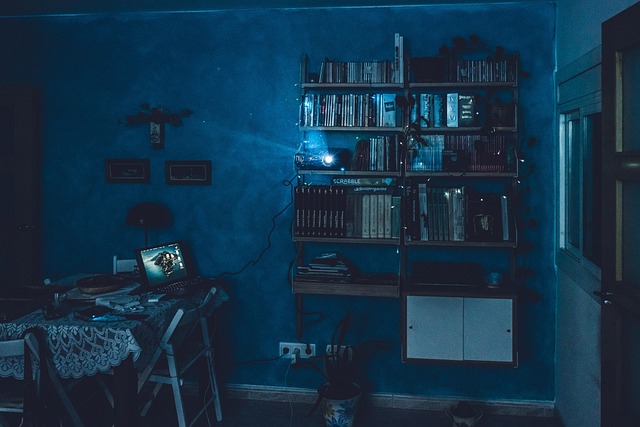
Defining your cinematic vision is a crucial step in creating impactful home videos that go beyond mere documentation and enter the realm of storytelling. Before you press record, take time to envision how your video will captivate and engage viewers. Storytelling through video offers an incredibly powerful way to convey emotions, paint vivid pictures, and transport audiences to different worlds. It’s about crafting a narrative that resonates long after the credits roll.
Consider the diverse methods of video analysis that can inspire your approach. By studying cinematic techniques employed in both classic films and modern video games for educational purposes, you gain insights into visual storytelling. For instance, pay attention to camera angles, framing, and movement, which contribute to creating tension or fostering intimacy in a scene. Video games, with their immersive narratives and dynamic visuals, can provide innovative ideas for presenting information in an engaging manner. Exploring online video resources further expands your horizons; YouTube channels dedicated to film analysis offer valuable lessons on crafting compelling video stories.
Your cinematic vision should be as unique as your perspective. Perhaps you envision a documentary-style narrative, where real-world locations and interviews drive the story. Or maybe you’re drawn to the artistic flair of experimental short films, pushing boundaries with abstract concepts and unconventional editing. Accessing online educational videos can provide a starting point for developing these skills. For example, exploring time-lapse or stop-motion animation techniques allows for creative expression while adding a distinct visual style to your videos.
To bring your cinematic vision to life, plan meticulously. Outline your story, create scripts, and consider the impact of lighting, sound design, and music. Remember that effective storytelling involves more than just visuals; audio elements play an integral role in setting the tone and evoking emotions. Visit us at [your-website] to discover how you can enhance presentations with video, ensuring your cinematic home videos not only entertain but also leave a lasting impression on audiences.
Capture Stunning Footage: Equipment & Techniques for Video
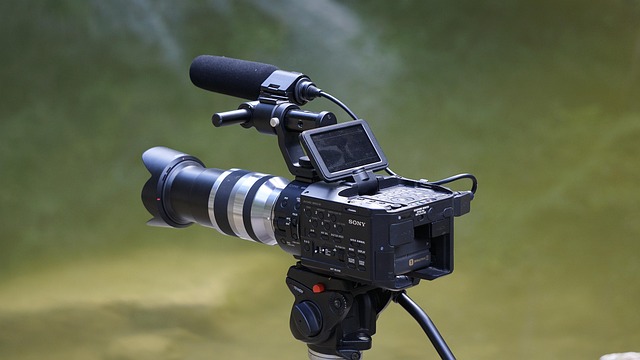
Creating cinematic home videos involves more than just capturing memorable moments; it’s an art form that requires the right equipment and techniques to truly shine. In this section, we’ll explore the essentials of video capture, offering insights tailored for both seasoned filmmakers and aspiring beginners looking to elevate their homemade content.
For high-quality video, invest in a robust camera system, such as mirrorless or DSLR cameras, capable of shooting 4K resolution or higher. Accessories like stable tripods, adjustable lighting kits, and external microphones significantly enhance production value. Master the art of composition, utilizing rules like the rule of thirds, to craft visually appealing frames. Experiment with different angles, perspectives, and movements to add dynamism to your footage. Remember, video is a visual narrative, so capturing stunning visuals is paramount.
Post-production plays a vital role in transforming raw footage into captivating videos. A beginner’s guide to video editing software can be overwhelming, but intuitive tools like Adobe Premiere Pro or Final Cut Pro offer user-friendly interfaces for beginners. Learn the best practices for video editing, focusing on pacing, transitions, and color correction, to enhance your storytelling without overpowering the natural flow of the video. For instance, a seamless transition between scenes, achieved through keyframing or motion graphics, can significantly elevate the production value.
As you hone your craft, consider integrating effective video marketing strategies into your filmmaking process. These tactics, honed over years of data-driven insights, can help your videos resonate with audiences and achieve their intended goals, whether for personal expression or professional advancement. For instance, leveraging social media platforms to distribute your content and engage viewers directly can foster a loyal following and drive traffic to your channel. Give us a call at [Your Brand/Company] to explore tailored video marketing strategies that can propel your cinematic home videos to new heights.
Mastering Video Composition: Framing, Lighting, and Angles
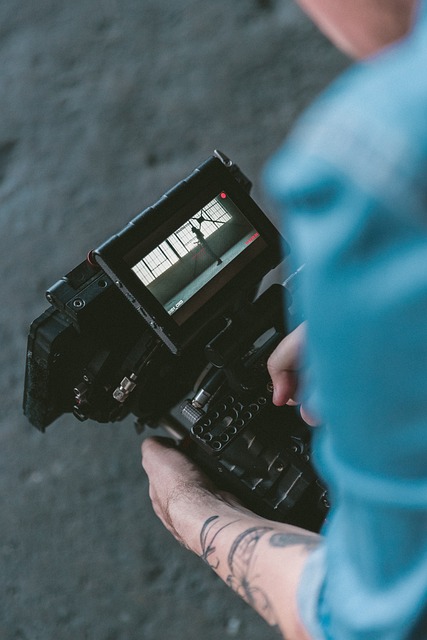
Creating cinematic home videos requires a keen eye for detail, especially when it comes to mastering video composition. This involves a delicate interplay of framing, lighting, and camera angles—all essential elements that transform ordinary footage into captivating visuals. Consider the impact of a well-framed shot; it can emphasize a subject, convey depth, or evoke specific emotions. For instance, using the rule of thirds, where your main subject falls along one of the lines or intersections, creates a visually balanced and engaging frame, making your home videos stand out on social media platforms like Instagram and YouTube.
Lighting is another critical aspect that sets cinematic videos apart. Natural light can dramatically enhance the mood and atmosphere of a scene, but understanding how to manipulate it through techniques such as side lighting for dramatic effects or backlighting to create silhouettes is paramount. With modern video production equipment guides readily available online, students can explore various tools to achieve professional-looking results. Collaborative platforms designed for educational purposes facilitate sharing and feedback, allowing aspiring filmmakers to refine their craft efficiently.
Camera angles play a significant role in engaging viewers. Experimenting with low-angle shots can make subjects appear powerful or imposing while high-angle views offer unique perspectives, adding depth to your narratives. For home videos, dynamic camera movements like tracking shots, crane shots, and dolly zooms can bring energy and interest to mundane scenes, transforming them into captivating memories. By combining these technical aspects seamlessly, you not only enhance the visual appeal of your videos but also effectively communicate stories, ensuring your content resonates with audiences in a meaningful way.
To further elevate your video production skills, visit us at the video production equipment guide for insights and resources tailored to meet your needs.
Editing Like a Pro: Software and Workflow for Impactful Videos

Creating cinematic home videos involves more than just capturing memorable moments; it’s about crafting narratives that resonate. Professional-grade video editing is key to achieving this impact, especially when considering the current trend of remote video production for teams separated by distance and the growing importance of video collaboration tools for students learning together virtually. The right software and workflow can elevate your home videos from amateurish to cinematic, making them stand out in today’s digital landscape.
Pro editors leverage powerful yet user-friendly software like Adobe Premiere Pro, Final Cut Pro, or DaVinci Resolve, each offering distinct advantages tailored to different skill levels and needs. These platforms provide a comprehensive suite of tools for cutting, color correction, sound design, and visual effects, allowing you to reshape raw footage into compelling stories. For instance, understanding how to use keyframes in your editing software can create smooth transitions that enhance the flow of your video, much like a director would craft seamless scenes in a theatrical production.
Remote collaboration is now seamless thanks to cloud-based platforms that facilitate real-time video editing and feedback. Tools like Frame.io or WeVideo enable teams scattered across the globe to work simultaneously on projects, making remote video production more accessible than ever. Similarly, students can leverage collaborative video editing software to work together on school projects, fostering teamwork and enhancing learning experiences through video tutorials and shared knowledge.
As you hone your skills, remember that mastering video takes time and practice. Start with foundational techniques like proper shot composition, color grading for atmosphere, and adding ambient sound effects. As you grow more comfortable, explore advanced editing concepts like multi-track audio mixing or complex visual effects. Give us a call at Video as your partner in this journey—we’re here to help you capture, edit, and preserve moments that tell your unique story.
Sound Design Matters: Audio Elements for Engaging Video Experiences
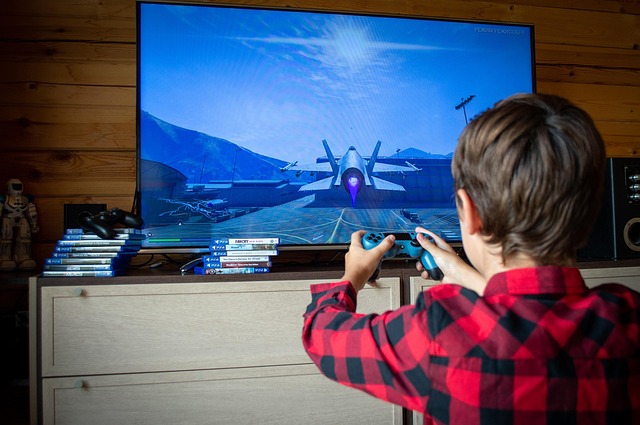
Sound design is a crucial yet often overlooked aspect of creating engaging video content. In the realm of cinematic home videos, audio elements play as significant a role as visuals in captivating viewers. Video, by nature, is a multi-sensory experience, and sound—be it dialogue, music, or ambient noises—is instrumental in evoking emotions and driving narratives. It’s not just about mixing audio; it involves crafting an immersive atmosphere that enhances the video-based emotional intelligence training experience.
Effective sound design starts with careful consideration of both original audio and added elements. For instance, ambient sounds can transport viewers to a specific location or time period, while well-timed music cues can intensify dramatic moments. The art lies in balancing these components seamlessly, ensuring they complement the visuals rather than overpower them. This is especially critical in home videos where personal stories are being told—the audio should enhance and amplify the emotional connections made by the audience.
When delving into video editing, best practices dictate paying meticulous attention to audio synchronization, dialogue clarity, and overall sound quality. Video copyright and licensing also come into play here; using music or sound effects requires careful selection from royalty-free sources or proper licensing to avoid legal complications. For instance, platforms like [Brand Name] offer a vast library of high-quality, licensed audio that content creators can leverage to stay within legal boundaries while enhancing their video experiences. Moreover, these resources provide a structured approach to sound design, enabling creators to focus on refining their craft rather than navigating complex legalities.
In today’s digital age, where video is a ubiquitous form of communication and entertainment, mastering sound design is no longer optional; it’s a game-changer. Whether for personal storytelling or professional video research projects, incorporating these audio best practices can significantly elevate the overall quality and impact of videos. So, visit us at [Brand Name] to explore more about using video in research projects and unlock the full potential of your cinematic creations.
Distribution and Sharing: Platforms and Strategies for Cinematic Videos
In today’s visual culture, video has emerged as a powerful medium for storytelling and engagement. When crafting cinematic home videos, distribution and sharing strategies are paramount to reaching and captivating an audience. The digital landscape offers a plethora of platforms tailored to various content types—from video games with educational undertones to insightful tutorials for learning new skills. For instance, YouTube, with its vast global user base, has become a go-to destination for both creators and viewers seeking diverse video content.
Strategic distribution begins with identifying the right channels based on your target demographic and video type. For creative storytelling, platforms like Vimeo offer high-quality hosting solutions that preserve cinematic aesthetics. On the other hand, short-form videos or tutorials designed to enhance student engagement might find more success on TikTok or Instagram Reels, leveraging these platforms’ dynamic algorithms. Moreover, integrating video into educational initiatives, such as incorporating video games for learning purposes, can significantly boost retention rates, as studies show that video-driven student engagement increases by up to 80%.
As your video library grows, a structured approach to content management becomes essential. Implementing a robust video project management system, like those offered by specialized agencies, can streamline the process. Give us a call at Video Project Management Strategies to explore how expert planning and distribution techniques can elevate your cinematic videos from local gems to global phenomena. By tailoring your strategy to each platform’s unique audience and features, you maximize reach and impact, ensuring that your visual narratives resonate with viewers worldwide.
By embracing a defined cinematic vision, utilizing high-quality equipment and techniques, mastering video composition, editing like a pro, incorporating compelling sound design, and strategically distributing your work, you can elevate your home videos to truly captivating cinematic experiences. This article has equipped you with the knowledge and tools needed to transform ordinary footage into extraordinary narratives, demonstrating that creating impactful video is accessible and within reach for anyone with passion and these proven methods.