
Creating cinematic home videos involves blending storytelling with technical mastery. Key insights include:
– Storytelling: Conceive narratives, outline scenes & characters, plan camera angles & transitions to match pacing.
– Platform Optimization: For social media, focus on shorter scenes, dynamic editing, and catchy transitions.
– Production Resources: Utilize online stock footage, music, and images to enhance quality without significant investment.
– Composition Techniques: Employ Rule of Thirds, leading lines, close-ups & wide shots for visual impact, smooth transitions for narrative flow.
– Accessibility & Impact: Ensure clarity & inclusivity in visuals & audio, consider emotional connection through sound design.
– Lighting: Use natural & artificial lighting to add depth, enhance brand professionalism, and create desired atmospheres.
– Sound Design: Incorporate meaningful dialogue, descriptive effects, and clear tracks for multi-sensory captivation.
– Video Editing: Guide viewers naturally with seamless transitions, build compelling arcs, and use analytics tools for improvement.
– Special Effects (SFX): Enhance videos with strategic planning, software knowledge, and advanced editing suite tools to amplify stories or set moods.
In today’s visual culture, capturing and sharing personal moments through video has become a powerful form of expression. Cinematic home videos offer an opportunity to preserve memories, tell stories, and connect with audiences on a deeper level. However, the process often feels intimidating for beginners, overwhelmed by technical jargon and creative expectations. This article serves as your authoritative guide, equipping you with the knowledge and tools to create captivating cinematic home videos that naturally stand out. By demystifying the process and providing practical strategies, we empower you to transform your personal footage into meaningful art.
- Plan Your Cinematic Story
- Master Video Composition
- Lighting for Stunning Visuals
- Audio Matters: Sound Design
- Edit with Purpose and Flow
- Enhance with Special Effects
Plan Your Cinematic Story
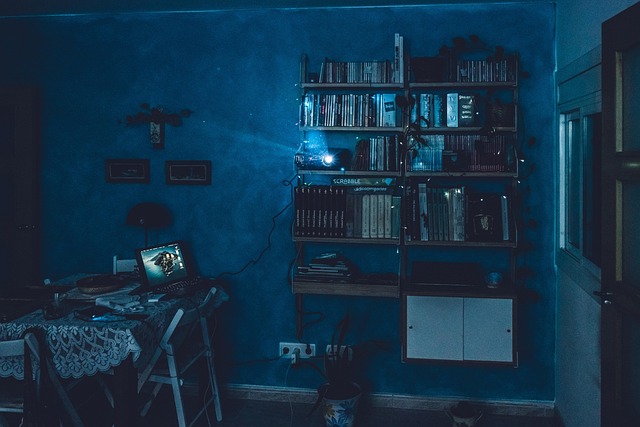
Creating cinematic home videos is an art that blends storytelling with technical mastery. To craft a captivating narrative on camera, meticulous planning is paramount. Start by conceiving your story, much like a screenwriter might. Outline key scenes, characters, and their motivations. This foundational step ensures your video resonates emotionally, whether for personal documentation or social media engagement. Think of each scene as a chapter in your cinematic journey, building tension, resolving conflicts, and ultimately guiding viewers through an engaging experience.
Once you’ve established your story framework, it’s time to consider the visual elements that will bring it to life. Plan camera angles, shot compositions, and transitions that mirror the rhythm and pacing of your narrative. Advanced video compositing techniques can help you achieve cinematic look, allowing seamless blending of different scenes and effects. For instance, software tools enable you to add dramatic lighting, depth of field adjustments, or even overlay textures to elevate the visual appeal and immerse viewers in your story.
Video production for social media platforms like Instagram or TikTok demands a nuanced approach. These platforms thrive on engaging content that captures attention quickly. Plan shorter scenes, dynamic editing, and catchy transitions to maintain viewer interest. Leveraging online video resources can significantly enhance your creative arsenal. From stock footage and music to royalty-free images, accessing these tools allows you to create high-quality videos without significant investment in production. To explore a wealth of options, find us at accessing video resources online for a curated selection tailored to your needs.
Data suggests that visually appealing content is more likely to be shared and remembered. By meticulously planning your cinematic story, employing advanced compositing techniques, and strategically integrating online video resources, you can produce captivating footage that resonates with audiences. Remember, the key lies in balancing storytelling with technical precision, ensuring each frame contributes to the overall narrative experience.
Master Video Composition
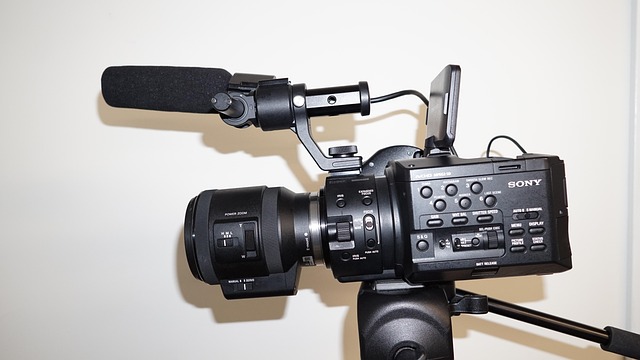
Mastering video composition is a vital step in creating cinematic home videos that captivate audiences and effectively communicate your message. Video content has become an integral part of modern storytelling, whether for personal documentation, educational purposes, or research projects. To create engaging video content, start by understanding the frame—how elements are arranged within it. Rule of thirds and leading lines are classic composition techniques that guide viewers’ eyes naturally through the frame. For instance, aligning key subjects with grid lines or using converging lines to lead the eye towards a subject can enhance visual interest.
Consider video accessibility when planning your composition. Ensuring that important information is not only visually appealing but also audible and subtitled benefits all viewers, including those with disabilities. This becomes increasingly relevant in research projects where clear communication is paramount. For example, providing captions for spoken content or adding descriptive audio cues for visual elements can significantly enhance the accessibility of your video. By incorporating these considerations from the outset, you not only improve the overall user experience but also comply with accessibility standards.
The art of composition goes beyond technical rules. It involves a deep understanding of storytelling through visual language. Think about the emotional impact of each shot—close-ups can evoke intimacy or tension, while wide shots provide context and scale. Transitioning between scenes should flow naturally, avoiding abrupt cuts that disrupt the narrative flow. A great example from documentary filmmaking illustrates this: smooth transitions between scenes in a nature documentary allow viewers to immerse themselves in the environment, enhancing their emotional connection to the story.
Finally, give us a call at Video-Assisted Language Learning for expert guidance tailored to your specific needs. Whether you’re diving into video content creation for educational purposes or simply want to elevate your home videos, our team of experts can offer actionable advice and insights. With years of experience in both video production and language learning, we understand the unique challenges and opportunities that come with blending these fields—let us help you create engaging, accessible, and impactful video content.
Lighting for Stunning Visuals

Creating cinematic home videos is an art form that transcends mere recording; it involves crafting effective video communication that captivates audiences. Lighting plays a pivotal role in this process, transforming ordinary footage into stunning visuals that enhance any video production, be it for personal documentation or professional video marketing strategies. The right lighting setup can dramatically improve the overall look and mood of your video, making your content more engaging and professionally polished.
In terms of video production techniques, understanding the fundamentals of light is essential. Natural light, diffused or directed, can create beautiful depth and dimension in your scenes. For instance, filming near windows during the golden hour—just after sunrise or before sunset—can bathe your subjects in warm, soft light, producing visually appealing results comparable to professional cinematography. Conversely, artificial lighting allows for more control over ambiance and shadows, ideal for creating dramatic effects or highlighting specific elements in low-light conditions. High-key lighting, with its bright, wide illumination, can make a space appear larger and more inviting, while low-key lighting, utilizing minimal light sources, adds mystery and intrigue.
When it comes to video marketing strategies, well-lit footage not only draws viewers in but also communicates your brand’s professionalism and attention to detail. Well-planned lighting can help tell your story more effectively, ensuring your message resonates with your audience. For example, a product shot with strategic backlighting can make an item pop, while soft, diffused light can create a calming atmosphere for a wellness brand. Visiting us at [Brand/Website] offers an opportunity to explore how these principles can be applied in enhancing presentations using video to elevate the impact of your content across various mediums and platforms. Remember that lighting is just one piece of the cinematic puzzle, but it’s a crucial one—one that can make or break the overall quality of your video production.
Audio Matters: Sound Design

In the realm of video production, sound design is a powerful tool that can elevate your cinematic home videos to new heights. Audio matters—it’s not merely an accompaniment but a critical element that shapes the viewer’s experience and emotional connection with your content. When crafting videos, especially for remote teams or considering accessibility, paying close attention to audio becomes paramount. A well-designed soundscape enhances storytelling, creating a multi-sensory experience that captivates audiences.
Video accessibility considerations often revolve around auditory cues, ensuring that viewers with hearing impairments can fully grasp the narrative. This involves incorporating meaningful dialogue, descriptive sound effects, and clear ambient tracks. For instance, when narrating a historical video, precise sound design can transport viewers back in time by accurately reproducing the sounds of the era—from horse-drawn carriages to bustling marketplaces. Such attention to detail fosters a deeper interpretation of the visual content, encouraging critical thinking during video consumption.
Video production for remote teams presents unique challenges, but robust audio solutions can bridge geographical gaps. High-quality microphones and mixing software are essential tools to ensure everyone’s voices are heard clearly. Consider the example of a collaborative documentary project where contributors from around the globe share their stories. Through meticulous sound design, the final video seamlessly weaves together these diverse narratives, showcasing the power of remote collaboration. Critical thinking in video interpretation reaches new levels when creators actively engage with audio as an integral part of storytelling, making each frame pop with relevant and well-placed sounds.
For beginners embarking on video editing, remember that investing time in sound design can significantly enhance your projects’ overall quality. Give us a call at video editing tips for beginners to learn more about balancing visuals and audio effectively. By embracing critical thinking and exploring creative audio solutions, you can transform ordinary videos into captivating cinematic experiences that resonate with audiences.
Edit with Purpose and Flow

Creating cinematic home videos isn’t just about capturing moments; it’s an art form that involves storytelling through visual media. One crucial aspect of this process is video editing, which gives you the power to craft a compelling narrative and engage your audience. When it comes to editing with purpose and flow, the goal is to guide viewers naturally from one scene to the next, ensuring a seamless viewing experience. Think of it as painting with visuals – each cut, transition, and clip placement contributes to the overall canvas.
In today’s digital age, video content creation has become a prominent medium for e-learning, with many turning to online videos to learn new skills. According to recent studies, learners retain 85% of information presented in video formats compared to only 10% from text. This highlights the effectiveness of video tutorials as educational tools. When editing home videos, especially for instructional purposes, consider your audience’s needs and the message you aim to convey. For instance, if creating a tutorial on cooking a specific dish, using close-ups of ingredients and step-by-step cuts will enhance the learning experience.
Flow is key to keeping viewers invested in your video content. Transitions should serve a purpose, whether it’s establishing time or place changes or simply guiding attention from one element to another. Smooth transitions can make the difference between a well-crafted video tutorial and one that feels jarring and unprofessional. To achieve this, plan your shots and scenes in advance, ensuring they build upon each other logically. Remember, effective video editing isn’t just about cutting and pasting; it’s about crafting a narrative arc that keeps your audience watching and learning.
By prioritizing purpose and flow in your video editing process, you can elevate the quality of your cinematic home videos significantly. To gain deeper insights into these techniques, explore video analytics tools – they provide invaluable data on viewer engagement, helping you make informed decisions to improve future content creation efforts. Find us at [Brand/Website] for more resources on video content creation for e-learning and unlocking the full potential of online educational videos.
Enhance with Special Effects

Special effects (SFX) are a powerful tool for enhancing cinematic home videos, adding depth and visual interest that can elevate your content to new heights. When used strategically, SFX can transport viewers into the narrative, evoking stronger emotions and creating a more immersive experience. Beyond entertainment, these techniques have practical applications in fields like video games and educational videos, where dynamic visuals facilitate better understanding and engagement. For instance, video analytics have shown that incorporating SFX can significantly improve viewer retention and comprehension, especially in complex or abstract concepts.
Video-based emotional intelligence (EI) training is another area where SFX can make a significant difference. By manipulating visual elements, you can create scenarios that trigger specific emotional responses, aiding in the development of EI skills. For example, a well-crafted scene with subtle SFX enhancements could help individuals recognize and interpret facial expressions or body language more accurately. This approach leverages video’s inherent flexibility to offer diverse learning experiences tailored to individual needs.
Implementing SFX into your home videos requires careful planning and an understanding of the software tools available today. Many popular editing suites offer advanced effects capabilities, allowing for creative exploration without a hefty budget. Start by identifying key moments in your video where SFX can amplify the narrative or convey mood effectively. Whether enhancing a fantasy scene with magical effects or adding depth to a cityscape, ensure that each effect serves a purpose and aligns with the overall aesthetic. As you refine your skills, consider incorporating dynamic camera movements and visual transitions to create seamless, captivating sequences.
To maximize the impact of SFX in your videos, stay updated on industry trends and explore online resources for inspiration. Engaging in video-based problem-solving exercises can also help sharpen your skills. Remember, the goal is not merely to apply effects but to tell a compelling visual story that resonates with your audience. Find us at [brand/website] for more insights into enhancing home videos through innovative use of special effects and creative storytelling techniques.
By integrating thoughtful storytelling, mastery of video composition, strategic lighting, immersive sound design, intentional editing, and carefully applied special effects, you can elevate your home videos to cinematic standards. This article has provided you with a comprehensive toolkit to navigate the process from planning your narrative through post-production enhancements. Key insights include prioritizing a compelling story, understanding visual framing and movement, leveraging light to create mood and depth, mixing audio for impact, and using editing techniques that guide viewers through the narrative arc. With these principles in hand, you’re now equipped to craft video content that captivates, informs, and entertains, demonstrating your skill and passion behind the camera.