Mastering green screen video involves understanding lighting, camera settings, and post-production software like Adobe Premiere Pro for seamless background replacement. Balanced lighting techniques using "3-point lighting" enhance results. Choosing the right hardware and software, such as Chroma Keyer or Virtual Studio Builder, ensures high-quality footage. Green screens revolutionize education, storytelling, and science communication by creating immersive visuals that boost engagement and information retention.
In today’s visual media landscape, the effective use of green screen technology has become paramount for creating immersive and captivating video content. This powerful tool allows filmmakers and creators to transcend geographical limitations, crafting stunning visuals that were once unimaginable. However, harnessing the full potential of green screen often proves challenging, with many falling into the trap of amateurish results. To overcome this, this authoritative piece delves deep into the art and science of green screen, unveiling expert techniques for achieving seamless integration, realistic backgrounds, and ultimately, elevating the overall video production quality to new heights.
- Preparing Your Setup for Green Screen Success in Video
- Mastering Lighting: Key Techniques for Crisp Results in Video
- Choosing the Right Software and Hardware for Seamless Integration
- Post-Production Magic: Editing and Effects for Realistic Composites
Preparing Your Setup for Green Screen Success in Video
Preparing your setup for green screen success in video involves a meticulous exploration of this technology as an art form and a tool to convey information effectively. Whether you’re crafting historical records through video or enhancing science communication, understanding the intricacies of green screen techniques is paramount. It’s not merely about placing a subject against a solid green background; it’s about creating an immersive visual narrative that captivates audiences.
Consider lighting as your first variable. Illumination plays a crucial role in the quality of your final video. Ensure even lighting across your subject and the green screen to avoid shadows or stark contrasts that can distort the chroma keying process. Natural light is often ideal, but controlled artificial lighting setups can also produce stunning results. For instance, a simple ring light positioned around your subject can provide soft, diffused illumination, creating a clean background for post-production magic.
Next, think about your camera and its settings. High-resolution footage offers more flexibility during editing, allowing you to crop or zoom without losing detail. Adjusting aperture and shutter speed accordingly is key. A wider aperture (lower f-stop number) captures more light but narrows depth of field, while a slower shutter speed can reduce motion blur, crucial for video as an art form where intent and movement convey emotion.
Finally, don’t overlook the post-production process. Software like Adobe Premiere Pro or Final Cut Pro offers sophisticated chroma keying tools to seamlessly integrate your subject into any backdrop you choose. Visit us at accessing video resources online anytime for tutorials and tips that can elevate your skills in this domain. Remember, mastering green screen is about more than just technology; it’s about harnessing the power of video as a historical record, a communication tool, and an art form to tell compelling stories visually.
Mastering Lighting: Key Techniques for Crisp Results in Video

Mastering lighting techniques is an essential aspect of effectively using green screens in video production. For crisp and professional results, consider the interplay of light and shadow. Ambient light can be your friend or foe; positioning subjects near windows can provide natural, soft lighting, while direct sunlight can create harsh contrasts and unflattering shadows. Experiment with different angles to find the most flattering light source. Additionally, utilizing reflectors and diffusers can help even out lighting and reduce shadows.
For a high-quality look, pay attention to key lighting placement. The “3-point lighting” technique is a classic: one key light at a 45-degree angle to the side, filling light to balance shadows, and a backlight to create depth. This method ensures your subject is well-lit, with depth and dimension visible in the video. Moreover, learning through online videos has become a popular way to acquire new skills, including lighting techniques. Video-assisted language learning, for instance, can make abstract concepts more tangible when demonstrated visually.
Video accessibility considerations should also guide your lighting choices. Ensure that text remains legible and that facial expressions are clearly visible. Adjusting lighting levels to avoid flickering or excessive glare is crucial for viewers with sensitive eyes. Remember, the right lighting can transform an average-looking video into a professional production. To enhance this further, give us a call at Critical Thinking in Video Interpretation for expert guidance tailored to your specific needs. Data shows that well-lit videos tend to have higher engagement rates, so mastering these techniques will not only improve the aesthetics of your content but also its impact.
Choosing the Right Software and Hardware for Seamless Integration
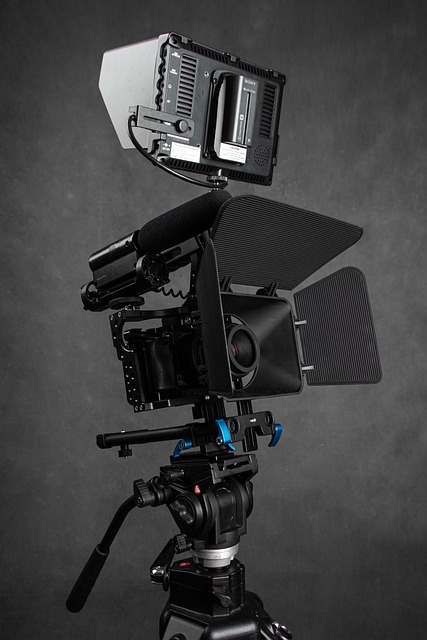
Choosing the right software and hardware is a crucial step in effectively utilizing green screen technology for video production. When integrating this tool into your workflow, it’s essential to consider both the creative potential and technical aspects. For seamless results, select software that offers precise color keying, allowing you to transition smoothly between shots. Professional-grade applications like Chroma Keyer or Virtual Studio Builder provide advanced features such as automated tracking and multiple layer support, enabling you to create intricate visual effects.
Complementary hardware plays a significant role in achieving high-quality outcomes. A robust computer with sufficient processing power and RAM ensures smooth video rendering during post-production. Additionally, investing in a high-resolution camera and lighting equipment tailored for green screen setups enhances the overall quality of your footage. For instance, a modern DSLR or 4K webcam can capture intricate details, while dedicated LED panels offer consistent illumination, minimizing shadows that might disrupt the keying process.
Incorporating video into presentations or language learning experiences benefits from this technology. It allows for creative visuals and immersive scenarios, enhancing engagement. Video-based assessments and evaluations, as offered by our platform, can leverage green screen to simulate real-world environments, providing a more authentic learning experience. For instance, in video production equipment guides, industry professionals often recommend practicing with various backdrops to familiarize oneself with the intricacies of color correction and compositing.
Data suggests that using video for educational purposes improves information retention by up to 75%, making green screen technology a valuable asset in modern classrooms. When used appropriately, it can transform dry content into captivating media, fostering better understanding. By choosing the right software and hardware, educators and content creators can unlock the full potential of green screen, revolutionizing how video is employed in presentations and language learning initiatives.
Post-Production Magic: Editing and Effects for Realistic Composites

Green screens have long been a staple in film and video production, offering countless possibilities for creative storytelling and visual effects. When used effectively in post-production, they can transform footage into breathtaking scenes that transport viewers to fantastical worlds or seamlessly blend real-world elements with computer-generated imagery (CGI). This process, often referred to as chroma keying, is a powerful tool that allows editors to create realistic composites—a crucial aspect of modern video accessibility considerations. By removing backgrounds and replacing them with custom images or videos, creators can make their content more inclusive for diverse audiences, from adding accessible closed captions against solid color backgrounds to crafting immersive virtual environments.
The magic of green screen post-production lies in its versatility. With the right software and techniques, beginners and seasoned professionals alike can harness this technology. Video production techniques involving chroma keying range from simple exchanges of backgrounds to complex compositing that involves lighting and shadow adjustments to match the new scene seamlessly. For instance, a YouTuber reviewing a product might use a green screen to remove their cluttered office background, replacing it with an appealing product display. This same technique is used in movies to create epic battles or transport characters into other dimensions, showcasing the incredible possibilities of video editing software.
When learning the ins and outs of video editing software, understanding chroma keying is essential. A beginner’s guide to these programs often includes tutorials on green screen effects, providing step-by-step instructions for setting up shots, choosing the right key colors, and refining the composite. Tools like Adobe Premiere Pro, Final Cut Pro, and DaVinci Resolve offer robust features for this task, allowing users to fine-tune every detail of their composites. For complex projects, these programs can integrate with CGI software, enabling creators to build digital environments or overlay animated elements onto live-action footage seamlessly.
In the realm of science communication, where visual storytelling is paramount, video in science plays a pivotal role. By effectively utilizing green screens and post-production magic, communicators can translate complex ideas into engaging visuals that captivate audiences. To take full advantage of these techniques, consider investing time in learning video production software, exploring online resources, and seeking guidance from experts in the field. Give us a call at Video in Science Communication to discover how these tools can elevate your content and inspire your audience with captivating, accessible videos.
By effectively utilizing green screen techniques, you can transform your video production game. This article has equipped you with a comprehensive toolkit to achieve professional-grade results. From setup preparation and lighting mastery to choosing the right software and hardware, each step is crucial in ensuring a seamless process. Now, armed with knowledge of post-production magic, you’re ready to create realistic composites that bring your video visions to life. Implement these strategies, and you’ll elevate your video content to new heights, showcasing captivating visuals that captivate and inspire your audience.