Creating compelling vlogs involves strategic planning, high-quality equipment, accessibility features, engaging storytelling, and effective editing. Key aspects include defining your narrative, selecting versatile gear, ensuring clear audio and lighting, capturing key insights, using natural settings, strategic microphone placement, smooth cuts, authenticity, legal protection, and refining editing skills through practice. The core value proposition is producing accessible, high-quality video content that resonates globally.
In today’s digital age, video content has become an indispensable tool for self-expression and storytelling. Vlogging, the art of filming one’s daily life, has gained immense popularity, offering viewers a glimpse into others’ experiences. However, navigating the intricacies of vlog creation can be daunting. This article provides an in-depth guide to mastering both vlog filming and editing techniques, ensuring your video content shines. We’ll explore practical tips and strategies, from choosing the right equipment to crafting engaging narratives through post-production, enabling you to create compelling vlogs that resonate with audiences naturally.
- Planning and Setting Up Your Vlog Video
- Capturing Engaging Footage and Audio Naturally
- Editing for Flow and Storytelling in Post-Production
Planning and Setting Up Your Vlog Video
When it comes to creating compelling vlogs, a solid foundation begins with meticulous planning and setup. This initial phase is where the creative vision for your video content takes shape, setting the tone for the entire production process. A well-planned vlog ensures not only engaging storytelling but also enhances video accessibility considerations for diverse audiences.
Start by defining your narrative arc. What story do you want to convey through this vlog? Developing a clear concept and outline will guide your filming choices, ensuring every shot aligns with your message. For instance, if your vlog focuses on exploring a local science museum, pre-plan specific exhibits or demonstrations you wish to highlight, enabling smoother transitions during editing. Additionally, considering the target audience is key; adapt your content and style to cater to their interests and expectations. Online video resources can offer insights into trending formats and themes, ensuring your vlog stays relevant and engaging.
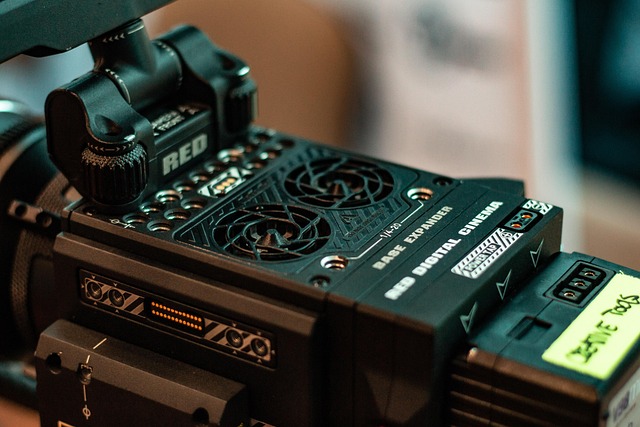
Equipment selection is another critical aspect of setting up for success. Modern smartphones often possess impressive camera capabilities, making them versatile tools for vlogging. However, for enhanced quality and flexibility, investing in a mirrorless camera or DSLR can provide more control over lighting, frame rates, and video accessibility features. Remember, the right gear simplifies the filming process, allowing you to focus on storytelling.
Accessibility considerations should be at the forefront of your planning. Ensure your vlog is inclusive by employing clear audio, well-lit scenes, and captions for viewers with diverse needs. In today’s digital age, where video content is ubiquitous, making yours accessible can significantly broaden its reach. For example, using a microphone with good directionality can improve sound quality, benefiting viewers watching in noisy environments or those relying on closed captioning. By integrating these practices from the initial planning stages, you’re not just creating videos; you’re crafting historical records that resonate with audiences worldwide.
Capturing Engaging Footage and Audio Naturally

Capturing high-quality video content that resonates with viewers requires a blend of artistic vision and technical skill, especially when it comes to vlogging—a dynamic medium that combines personal storytelling with educational or entertaining value. One of the cornerstones of successful vlogging is achieving natural-looking footage and audio, which sets the stage for engaging, authentic content. This involves employing video production techniques tailored to your subject matter, whether you’re documenting daily life, sharing tutorials, or creating social media content.
To video naturally, start by immersing yourself in your environment. For educational videos, consider setting up your shoot in a space that reflects the topic at hand—a well-lit classroom for teaching segments, a cozy living room for personal narratives, or an outdoor location for nature-focused content. This contextual approach not only makes your video more engaging but also reduces the need for excessive editing to mimic locations. Additionally, pay close attention to sound, as it significantly enhances the overall experience. Positioning microphones strategically and utilizing ambient noise can create a richer, more immersive soundscape than relying solely on post-production audio enhancements.
Lighting is another critical aspect of video production techniques for vlogging. Natural light is your friend; it’s soft, flattering, and free. Plan your shoots during golden hour or in well-lit indoor spaces to capture stunning visuals without relying heavily on artificial lighting gear. This not only simplifies the filming process but also results in more organic-looking footage. When editing, keep cuts smooth and transitions subtle to maintain a seamless flow, allowing viewers to focus on your story rather than technical distractions. Remember, video as an educational tool is most effective when presented simply and naturally, making complex topics accessible without overwhelming viewers with production artifices.
Lastly, embrace authenticity. Let your personality shine through in both front-of-camera content and behind-the-scenes interactions. Viewers connect with genuine individuals, so be yourself, engage with your subject matter passionately, and don’t fear showing a bit of raw emotion. This approach builds an audience that not only appreciates your content but also feels connected to you on a personal level. To enhance this further, explore video copyright and licensing options to ensure your work remains legally protected while allowing for creative collaboration.
Editing for Flow and Storytelling in Post-Production
Editing is a crucial aspect of video production, especially for vlogging where you’re aiming to create engaging content with a clear narrative flow. To achieve this, focus on storytelling during post-production. Start by reviewing your footage and identifying key moments—these could be significant events, emotional peaks, or simply well-captured reactions. Organize these clips in a way that mirrors the natural progression of a story, ensuring a logical rhythm. Transition smoothly between scenes using effects, cuts, or fades, always keeping the video’s pace in mind.
Effective video communication relies on a seamless blend of visual elements and audio narration. Ensure your voiceover complements the visuals without overpowering them. Use music and sound effects sparingly to enhance specific moments, allowing the narrative to drive the video. For beginners, starting with simple cuts and basic transitions is recommended. Practice creating rough cuts and then refining them until the flow feels natural.
In a video production equipment guide, you’ll find that professional-grade software offers advanced tools for intricate editing. However, beginners can start with accessible options that still provide excellent video editing tips for beginners. Consider the length of your vlog—shorter videos often require less complex editing while longer ones benefit from careful structuring to maintain viewer interest. Think about pacing and how you want viewers to feel as they watch. A well-edited video should draw them in, keep them engaged, and leave a lasting impression.
For expert advice, give us a call at video project management strategies. We can provide tailored guidance based on your specific needs, helping you elevate your vlogging game. Remember, editing is an art that improves with practice. Analyze successful vlogs to understand storytelling techniques, then apply them to your own work. With time and dedication, you’ll develop a keen eye for crafting compelling videos that resonate with your audience.
By combining thoughtful planning with a keen eye for capturing video naturally, effective vlogging involves both art and science. From setting up your shoot to editing for storytelling, each step demands attention to detail. Readers now hold the keys to mastering these processes, enabling them to create engaging content that resonates with audiences. Through practical insights on planning, natural footage capture, and seamless post-production editing, this article equips individuals to elevate their vlogging game and share compelling stories through video.