Selecting the right video production equipment and optimizing shooting spaces are foundational for creating high-quality educational videos. Mastering camera techniques, sound, and lighting enhances storytelling. Efficient video editing using tools like iMovie or Premiere Pro transforms raw footage into engaging content. Video improves presentations and knowledge retention, fostering creativity and critical thinking. Continuous learning through online resources is key to staying innovative in the evolving video production landscape.
In today’s digital age, video has become an indispensable tool for communication and storytelling. From personal vlogs to professional marketing campaigns, the ability to create engaging visual content is a must. However, navigating the world of video production can be daunting, especially for beginners. The complexity of equipment choices and setup often deters aspiring filmmakers from even getting started. This article provides a comprehensive guide to setting up a simple yet effective video production equipment setup, empowering folks to tell their stories with clarity and impact. By demystifying the process, we aim to help you unlock your creative potential and excel in the realm of video.
- Selecting Essential Video Production Gear
- Setting Up Your Shooting Space
- Mastering Camera Basics for Quality Videos
- Sound and Lighting: Enhancing Your Visuals
- Editing 101: Bringing Your Story to Life
Selecting Essential Video Production Gear
Selecting the right video production equipment is a cornerstone of effective video creation, especially when leveraging video as an educational tool for students. A robust setup extends beyond the basics to include tools that enhance collaboration and streamline the post-production process. For instance, integrating video collaboration tools can facilitate remote work, allowing educators and students to participate in dynamic video conferences and co-create content from diverse locations.
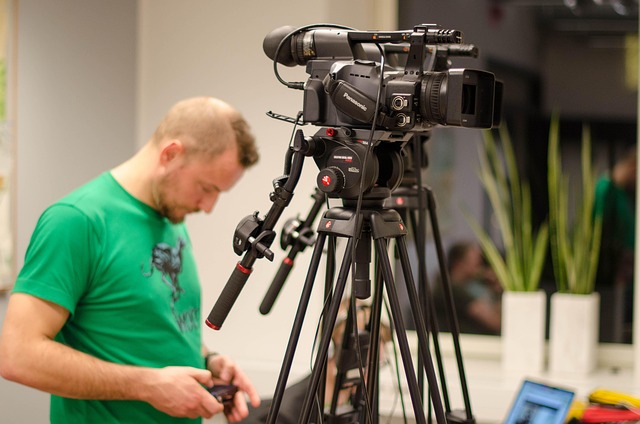
An essential piece of gear is a high-quality camera capable of capturing crisp, clear footage. Modern smartphones often excel in this area, but dedicated cameras offer advanced features like adjustable apertures and stable imaging, ideal for educational videos that demand professional visuals. Additionally, a versatile microphone enhances audio quality, ensuring every word is audible. USB microphones are convenient and compatible with most computers, making them suitable for students working from home.
Lighting plays a pivotal role in video production. Natural light can dramatically improve the look of your footage, but for controlled environments, invest in softboxes or ring lights to ensure consistent illumination. A tripod stabilises the camera, preventing shaky images, while a video mixer allows for seamless transitions and adds professional polish to student-created videos. Embracing these fundamentals empowers educators and learners to harness the potential of video as an engaging educational medium, fostering creativity and critical thinking in video interpretation. Give us a call at Critical Thinking in Video Interpretation for a comprehensive guide tailored to your needs.
Setting Up Your Shooting Space

Creating a compelling video requires more than just a camera; it starts with setting up your shooting space effectively. This foundational step is where the magic of video production begins, laying the groundwork for high-quality content that resonates with viewers. Consider your space as the canvas on which you’ll paint your visual story.
Whether you’re crafting educational tutorials, vlogging your daily adventures, or producing professional marketing videos, understanding how to optimize your environment is crucial. Start by evaluating natural lighting; soft, diffused light is ideal for most scenarios, reducing harsh shadows that can distort subjects. Simple adjustments like drawing the curtains or investing in affordable lighting kits can make a world of difference. Positioning your camera at eye level with your subject, or slightly below for an intimate feel, ensures engaging visuals and enhances video analytics down the line.
Sound, another critical element often overlooked, plays a pivotal role in the overall viewing experience. A quiet, treated space minimizes background noise, allowing your audience to focus on the narrative. Invest in a decent microphone, whether it’s a lavalier mic for interviews or an external shotgun mic for filming outside. Online tutorials and beginner’s guides to video editing software abound; utilizing them can help you learn the ropes while refining your craft. Remember, mastering these fundamentals paves the way for more complex techniques, ultimately elevating your video production capabilities.
Embrace the transformative power of video in science communication, where visuals drive understanding and engagement. By thoughtfully curating your shooting space, you set yourself up for success in this dynamic medium. As you grow, consider exploring advanced lighting setups and soundproofing options to elevate your content further. Learning through online videos is a testament to the accessibility of knowledge; leverage these resources to unlock your creative potential.
Mastering Camera Basics for Quality Videos

Mastering the camera is a fundamental step in setting up simple video production equipment for quality videos. The camera is the eye of your video project, capturing the visuals that will form the backbone of your narrative. Understanding its capabilities and limitations is crucial to effectively using video to enhance presentations and manage video projects with strategic intent.
Consider the resolution and frame rate settings. Higher resolutions like 4K offer incredible detail but require more processing power; while 1080p strikes a balance between quality and file size, suitable for most online platforms. Frame rates also matter; standard 24fps evokes cinematic drama, 30fps is ideal for smooth action sequences, and 60fps or higher capture every minute detail, perfect for sports or fast-paced scenarios. Moreover, pay attention to the camera’s lens. Prime lenses offer sharper images with greater control over depth of field, while zoom lenses provide versatility for various shots without needing to move the camera.
Lighting is another critical element in video project management strategies. It can make or break a scene. Natural light is generally the best; position your subject near windows for a soft, flattering glow. If shooting indoors, consider using multiple lights – key, fill, and backlights – to mimic natural lighting conditions. Always think about the mood and atmosphere you want to create; dramatic shadows can add depth, while diffused light creates a softer, more intimate feel. Critical thinking in video interpretation is enhanced when you understand how these technical aspects influence the final product.
Lastly, don’t underestimate the power of practice. Experiment with different camera angles, distances, and compositions to gain a better understanding of your equipment. Visit us at video analysis methods for detailed insights into refining your skills. Remember that mastering these camera basics will not only elevate the quality of your videos but also deepen your ability to tell compelling stories using this powerful medium.
Sound and Lighting: Enhancing Your Visuals
Enhancing your video with sound and lighting is crucial for transforming raw footage into compelling content. Effective audio-visual integration not only elevates the production quality but also engages viewers more deeply, making video a potent educational tool. To achieve this, start by investing in a robust microphone setup to capture crisp dialogue and ambient sounds. Condenser microphones, such as the Rode VideoMic Pro, are popular choices for their versatility and superior sound quality. Positioning is key; place the mic close to the speaker for clean audio or experiment with distance for unique effects.
Lighting plays an equally vital role in video production. A three-point lighting setup—key light, fill light, and backlight—is a fundamental best practice. The key light sets the primary illumination, while the fill light mitigates shadows, and the backlight adds depth by separating subjects from the background. LED panels, like those from Godox, offer adjustable brightness and color temperature, making them versatile for various settings. Experiment with different angles and distances to achieve the desired mood and visual impact.
Video project management is another critical aspect that contributes to a seamless production process. Pre-production planning, including scripting, storyboarding, and scheduling, ensures a smooth shoot. During post-production, utilizing best practices for video editing software, such as Adobe Premiere Pro or Final Cut Pro, allows for efficient cutting, color grading, and special effects. For instance, applying consistent color correction across all clips creates a cohesive look. Consider also incorporating advanced video compositing techniques to overlay graphics or integrate different scenes seamlessly.
Ultimately, sound and lighting are not just technical considerations but artistic tools that can elevate your video from ordinary to exceptional. As you refine these skills, remember that continuous learning is essential in the ever-evolving world of video production. Find us at [brand website] for more insights on video as an educational tool and project management strategies that will help you navigate this dynamic landscape.
Editing 101: Bringing Your Story to Life

Video editing is an essential component of any video production process, serving as the bridge between raw footage and a compelling narrative. It’s where your story comes to life through cutting, arranging, and enhancing visuals with sound and text elements. This art form requires both technical skills and creative vision.
For students looking to explore video collaboration, there are numerous online tools that simplify the editing process. Platforms like iMovie or Adobe Premiere Pro offer intuitive interfaces, allowing beginners to learn the basics of video editing without extensive training. These tools enable users to trim clips, add transitions, and incorporate music seamlessly. Moreover, video project management strategies play a pivotal role in keeping your video production organized. Effective planning includes establishing a clear storyboard, creating shot lists, and managing timelines. For instance, breaking down a complex scene into smaller shots can make editing more manageable and efficient.
Video has also proven to be a powerful medium for enhancing presentations. Whether it’s a lecture, business proposal, or educational video, integrating visuals can significantly improve engagement. By combining compelling video content with thoughtful editing, you can convey information more effectively. Consider the impact of incorporating relevant footage to support data presentation—a simple graph on screen pales in comparison to a dynamic video demonstrating the same concept. For instance, a study by the University of Michigan found that students retained 85% of information presented in a video, compared to only 20-30% from text alone.
As you embark on your video editing journey, keep in mind the importance of storytelling and visual appeal. Through practice and exploration with collaborative tools, you’ll develop an intuitive sense for pacing, rhythm, and structure. Give us a call at [video-based problem-solving exercises] to learn more about enhancing your video projects through innovative techniques and strategies.
By mastering the fundamentals outlined in this comprehensive guide, you’re now equipped to establish a robust simple video production setup. From selecting the right gear to mastering camera techniques, understanding sound and lighting, and delving into editing basics, each section equips you with invaluable knowledge. Video production is no longer a daunting task; rather, it’s an accessible art form ready for your creative expression. Implement these strategies, refine your skills, and watch as your video content naturally flourishes, captivating audiences and propelling your message forward.